


Keeping the Magic Alive: The Story Behind Las Bodas de Isabel
Raquel Esteban revived Teruel with Las Bodas de Isabel. We ask what happens when a local love story draws 100,000 visitors each year.
EDITORIAL
3/19/2026
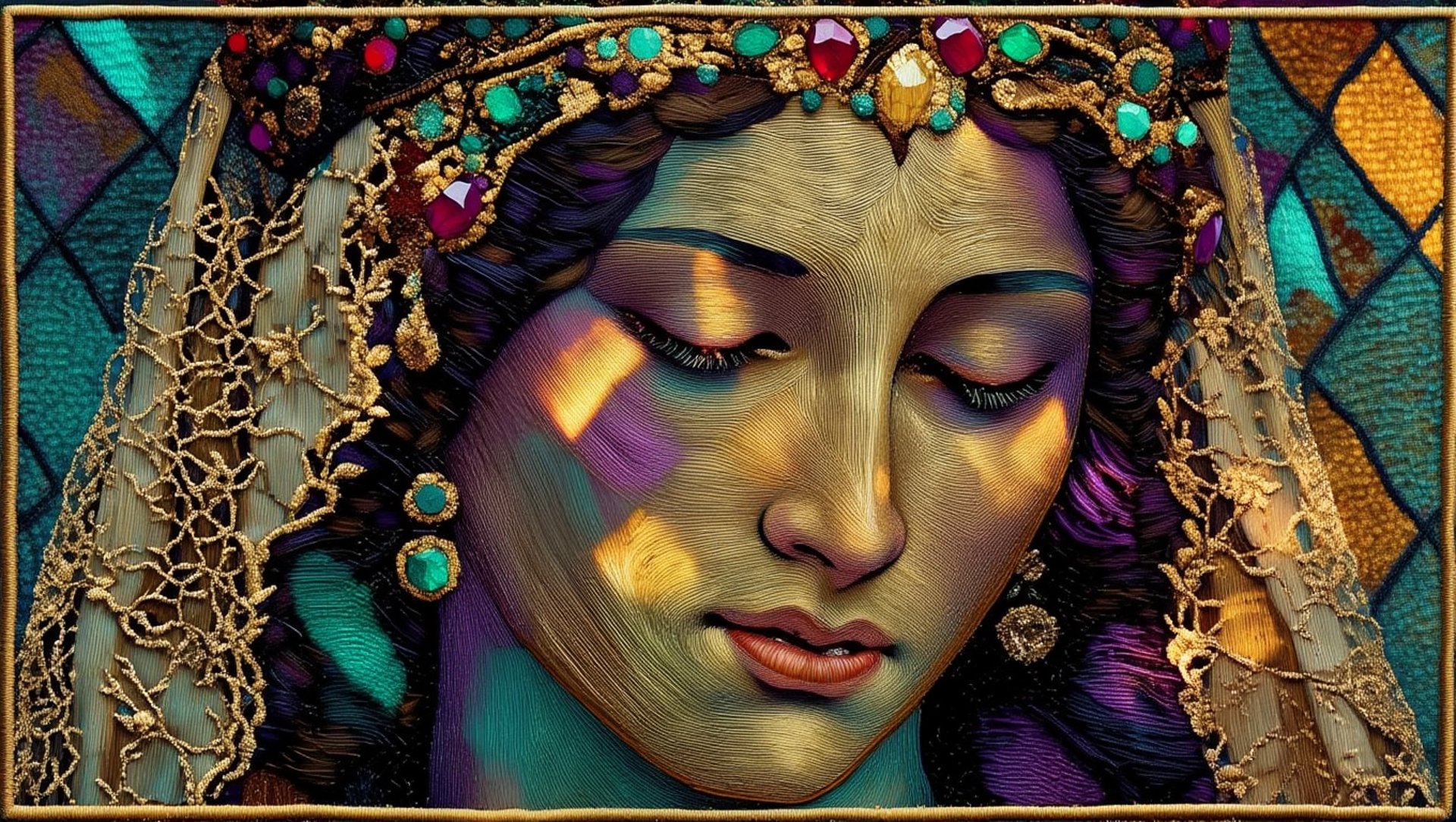
We recently wrote about Las Bodas de Isabel, a festival that began as one woman’s dream in 1997 and now brings more than 100,000 people to Teruel each February. Success, however, raises uncomfortable questions: Who controls the narrative when the crowds multiply? When does culture become a product? And who ultimately benefits?
That led us to take a leap of faith and reach out to Raquel Esteban, the Fine Arts and Drama graduate who came home, found that Teruel was missing its ‘chispa’, and set out to reignite it.
We were lucky to receive a reply.
Hungry Culture traveled to Teruel to experience Las Bodas de Isabel firsthand, speaking with the people who sustain it, sharing time in jaymas, and listening to residents who have carried its memory for decades. We entered the story as guests. What follows is the voice of the person who started it all.
Recognition on the World Stage
The title may sound official, but Raquel saw it as inevitable. Long before the recognition arrived, she had already taken the festival out into the world, organizing international congresses in Teruel and later representing Spain across Europe as President of the European Confederation of Historical Festivals and Reenactments. La Boda de Isabel went from a local love story to a European one, and the lovers finally earned the world's attention.
“After many years of work abroad, that recognition was bound to arrive. I’m very happy about it, of course. But it also brings a certain sense of vertigo when looking back to that ‘year zero,’ when there was absolutely nothing in Teruel, during a cold, bleak February. To have reached where we are today is, in the end, deeply satisfying.”
Her reflection carried an unspoken weight, the vertigo of a personal dream expanding beyond its origin into something that now belongs to everyone who walks the streets of Teruel during Las Bodas.
Growth in Numbers
The growth of Las Bodas, as Raquel describes it, is measured not just in attendance but in the city’s transformation. Coordinating hundreds of volunteers, building production and communications teams, and establishing a logistics infrastructure reshaped Teruel. The vertigo of that expansion is clear: what began as her personal vision required the city itself to rise to the challenge, becoming inseparable from the festival it supports.
“Perhaps the most complex part, and something I still ask myself today, how I managed, was coordinating participation. At first, there were dozens of people, then hundreds, and eventually thousands. Coordinating volunteers, but also creating all the necessary infrastructure, directing teams, production, communication, and management of every kind. All of this has meant that the city of Teruel has also developed professionally, not only in artistic terms, with an enormous number of actors, dancers, and musicians, but also across many other professional fields.”
Her account reveals that the festival’s growth is inseparable from the city’s evolution.
In our earlier post, we asked whether the money stays in local hands. Raquel doesn’t answer that directly, but her words reveal something deeper: the festival didn’t just bring crowds to Teruel, it reshaped the city itself. Her personal vision expanded far beyond its origins, and the city grew to meet it. Whether that growth ultimately serves the residents or the visitors remains an open question. What’s undeniable is that Teruel has been transformed in the process.
Maintaining the Magic
Her concern isn’t the crowds or the commercialisation, at least not directly. What worries her is the language of the festival itself.
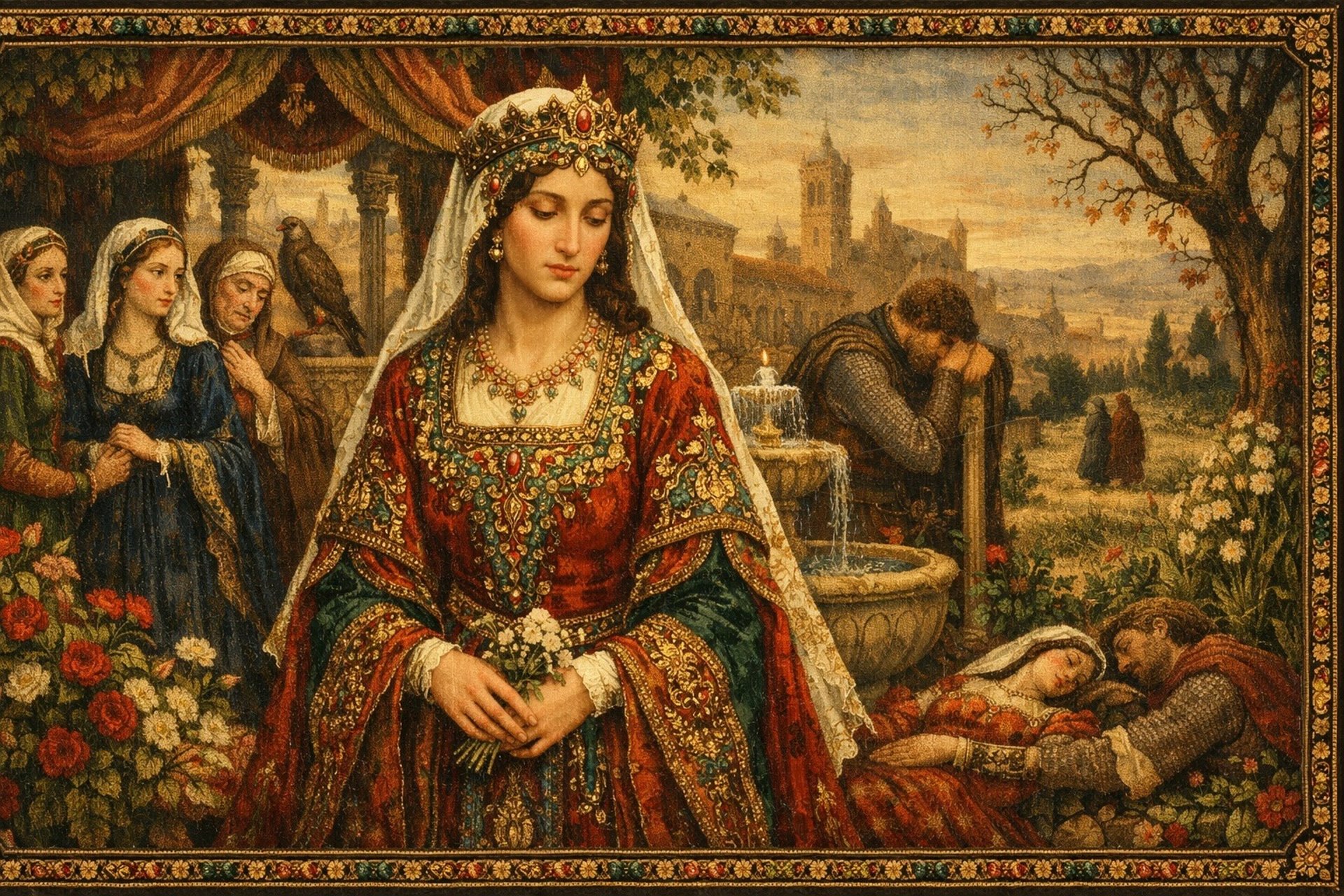
From the very beginning, Las Bodas was built around a specific kind of theatre: realistic, street-level, intimate. The idea was that someone standing in the cobbled streets of Teruel would see the story unfolding right in front of them, as if they were a part of it.
“That still happens with the protagonists,” she says, “it feels natural, as if nothing is staged.”
But as the festival has grown, its scale has demanded a new language. Higher stages, lighting rigs, screens, and the tools necessary so that 100,000 people can see what was once meant to be felt from three feet away. She worries that these theatrical conventions, born of necessity, risk overshadowing the very intimacy that made the festival unique.
“What worries me is that these theatrical conventions might end up overshadowing the essence of the more medieval, realistic theatre, which was perhaps rougher around the edges but far more believable.”
Underlying her concerns is a challenge that goes beyond scale. As Las Bodas de Isabel has grown, not everyone has the specialized experience needed to preserve the festival’s original vision. Raquel is clear about what that means. The careful coherence she built into the performances, including historical, dramatic, period, and emotional consistency, requires expertise to maintain. Without the right knowledge, historical inaccuracies can slip in, technology can overshadow the performances, and costumes meant to represent 1217 could be altered for practicality. This is not about fault. Her focus is on safeguarding the core of the story and the integrity of each performance.
What Must Remain Sacred
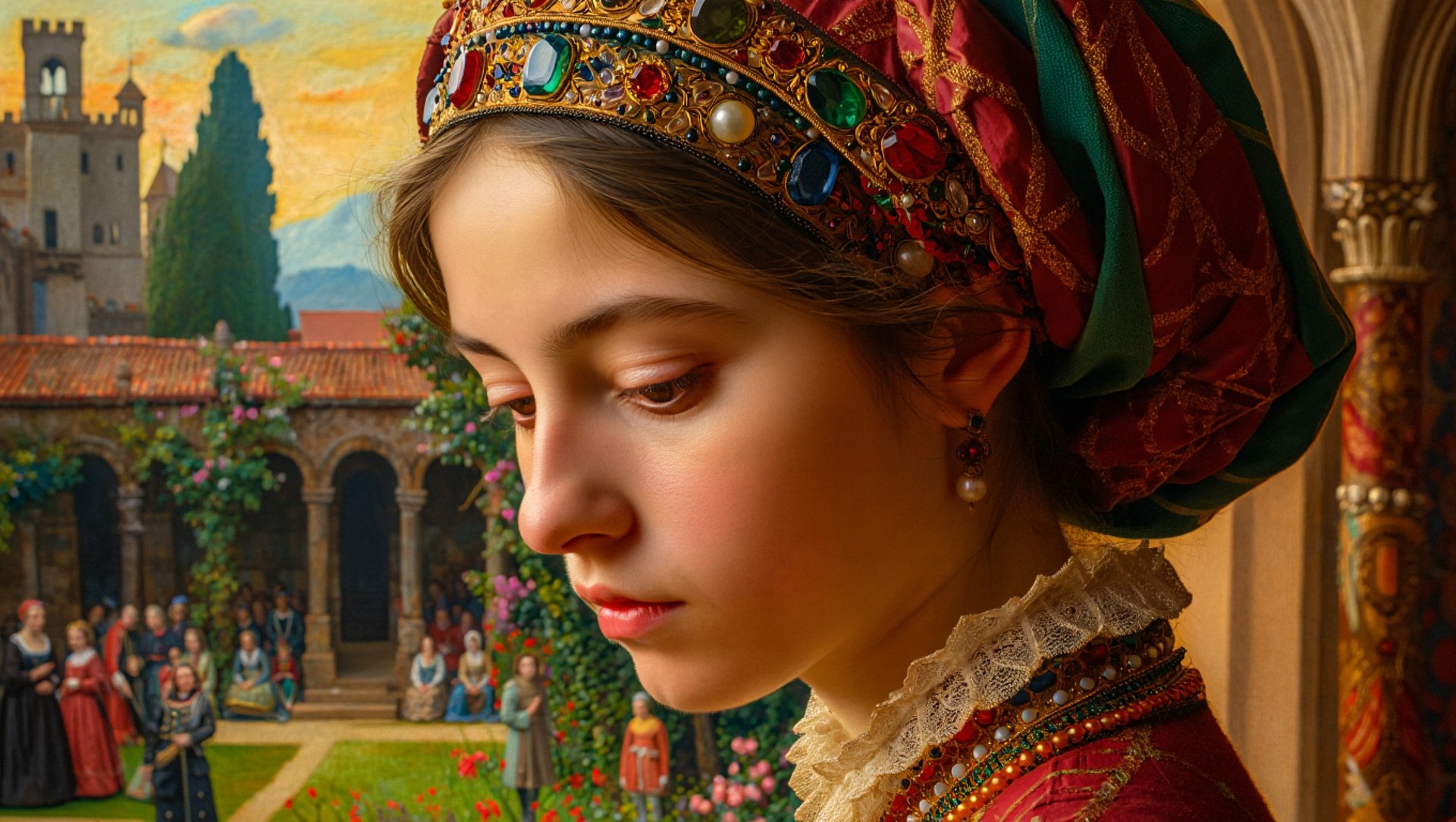
The priorities are clear. The festival must honor Teruel and Aragón as they were in the 13th century. Character relationships must be preserved, and theatrical elements that do not belong in the story should be left out.
“It would become something else,” she says. “It might be visually stunning and draw attention, but it would clearly lose the essence from which we came.”
That essence is central to her vision. It is the lived experience of the story unfolding in the streets, immediate and immersive, surrounding everyone who takes part.
Looking In on a Living Legend
In our original piece, we asked whether residents are still active participants in their own story, or if they have become background characters in someone else’s weekend fun. Raquel reframes that question in an interesting way. Her concern is not about the visitors, but rather the production itself. The threat she identifies is not outside commercialisation, but a gradual shift in the language of the festival from within.
That is perhaps the more unsettling part. While a festival can resist commercialization when its leaders choose to, the slow pull of growth is harder to resist. Larger stages feel like a necessity, more lighting suggests greater presence, which makes it easier to equate visibility with true significance.
Raquel dreamed of something intimate and immersive, and she brought that vision to life in extraordinary ways. Now she is observing whether it can stay true to its roots as it faces the demands of international success.
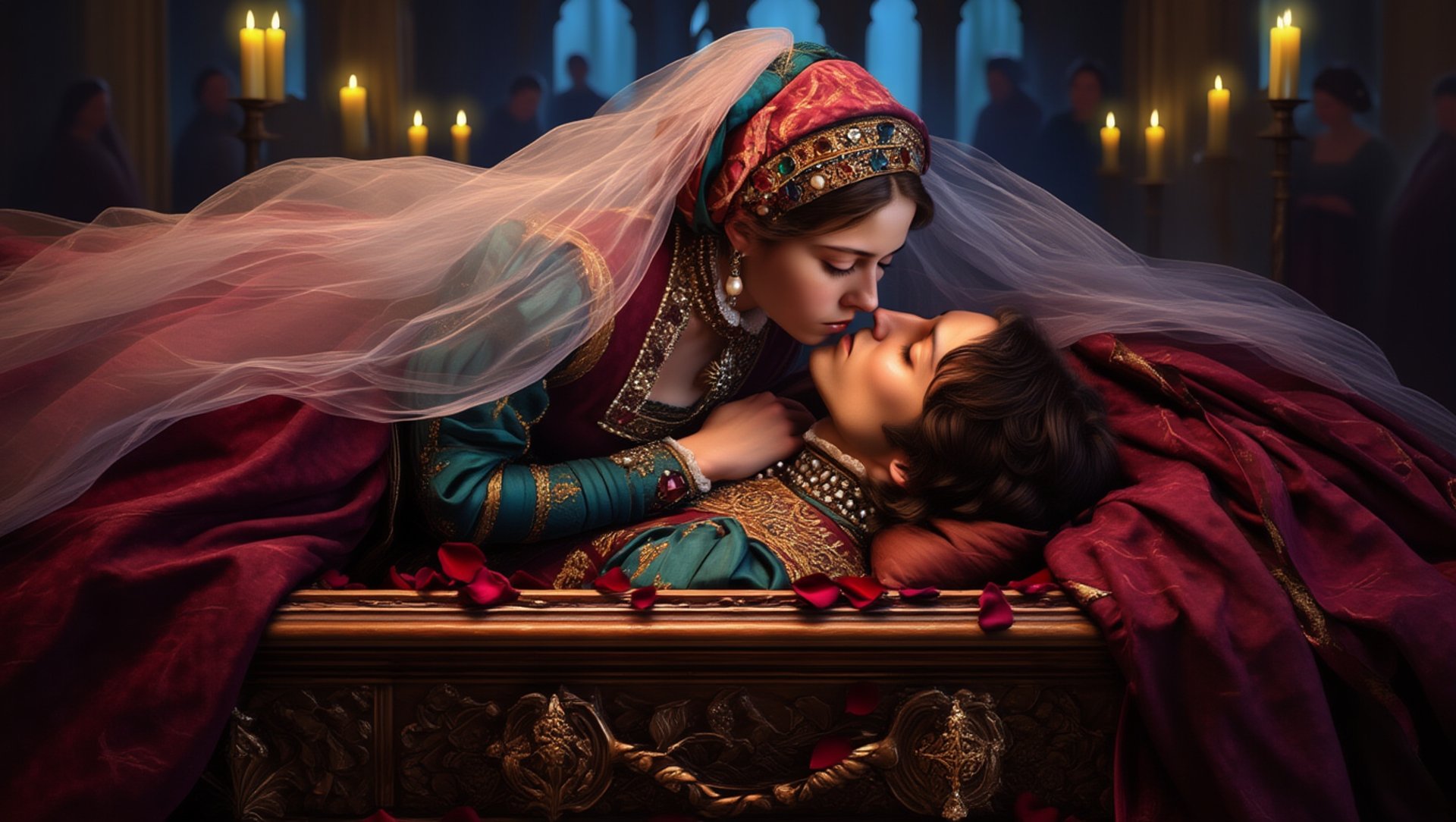
The tale of Diego and Isabel has been told for eight centuries. Raquel's rendition has been carried through the streets of Teruel for thirty years. The question now is whether La Boda de Isabel can survive the attention it has drawn.
The chispa is still there. Like the story of Diego and Isabel, it must weather time, attention, and scale to remain alive in the streets of Teruel.
Curious about the festival? Click to read our firsthand account of Las Bodas de Isabel de Segura.
© 2025. All rights reserved.
AI Disclosure: This site uses AI-generated placeholders and AI-assisted editorial tools.
View our Transparency Policy